
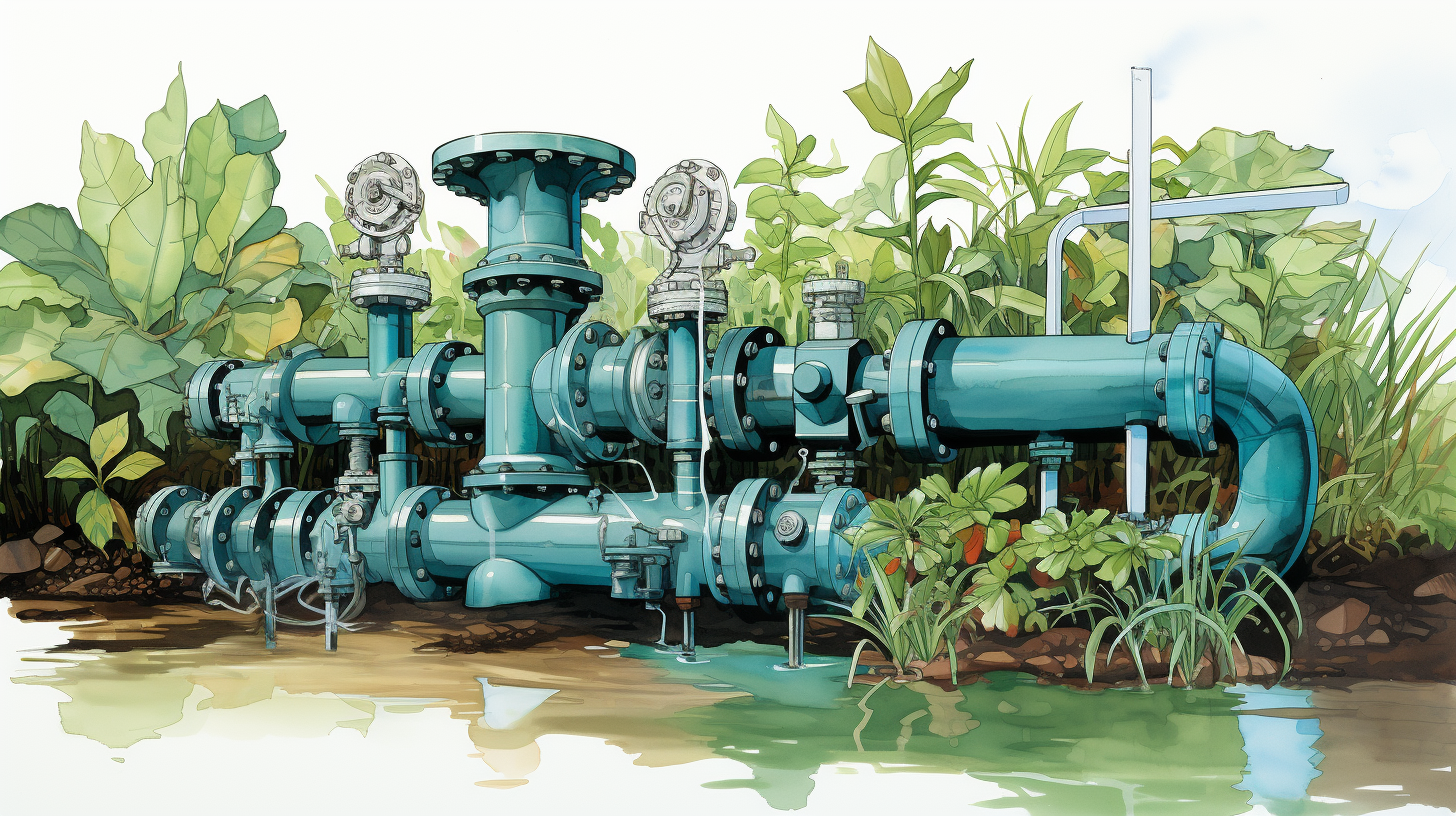
You’re about to dive deep into the world of backflow preventers. These underrated heroes protect your drinking water from harmful substances. Whether it’s bacteria, fertilizers, or even human waste, they’re on guard.
Why should you care? Because it’s your health on the line. We’ll explore the types, installation, and maintenance of these crucial devices.
So, let’s get started – it’s time to safeguard your sprinkler and irrigation systems.
Table of Contents
What is a backflow preventer and why is it important?
A backflow preventer is a crucial device that protects your potable water supply from contamination. It’s essential in sprinkler and irrigation systems, where pressure variations can cause water to reverse flow, potentially introducing harmful substances into your drinking water.
Contaminated water is responsible for transmitting diseases like diarrhea, cholera, dysentery, typhoid, and polio, leading to the death of around 505,000 people each year.
Therefore, understanding the role of backflow preventers in safeguarding water supplies is critical for both health and environmental reasons.
Preventing the contamination of potable water supply
To protect your community’s drinking water from contamination, it’s vital to understand the role and importance of backflow preventers in your sprinkler and irrigation systems.
A backflow preventer is a device that maintains the quality of your potable water supply by preventing the reverse flow of water in your system. This reverse flow, or backflow, can introduce pollutants or contaminants into your water supply, posing health risks.
This is where backflow preventers come in. They’re designed to prevent backflow, ensuring the water in your irrigation system doesn’t mix with your drinking water. In essence, a backflow preventer is a safeguard, a protector of your water supply, and an essential component in any irrigation system.
How backflow can occur in sprinkler and irrigation systems
While you’re ensuring the safety of your water supply, it’s crucial to understand how backflow can occur in your sprinkler and irrigation systems and why a backflow preventer is so essential. Backflow conditions occur when pressure changes, causing irrigation water to flow backward into your clean water source. This can introduce contaminants into your household supply.
Backflow preventer devices are designed to combat this issue in your sprinkler system, blocking water from reversing its flow. Backflow prevention isn’t just a good practice; it’s necessary to keep your water supply safe and uncontaminated.
As you seek innovative solutions for your irrigation needs, remember the importance of backflow prevention. It’s an investment in the quality and safety of your water.
The role of a backflow preventer in protecting water supplies
In managing your sprinkler and irrigation system’s safety, understanding the critical role of a backflow preventer will be essential. This device is your first line of defense in protecting water supplies from contamination. It ensures that water only flows in one direction within your system, preventing any potentially harmful substances from flowing back into the clean water supply.
The Safe Drinking Water Act (SDWA) requires protection against backflow in potable water systems.
A backflow preventer is crucial because it safeguards your potable water system from pollutants that can contaminate it, like fertilizers or pesticides used in irrigation. Without it, these contaminants could reverse flow into your water system, posing severe health risks.
Thus, incorporating a backflow preventer in your sprinkler & irrigation systems is more than just a practical measure. It’s a responsible one.

Types of backflow preventers
Let’s now explore the different backflow preventers that are crucial to maintaining the safety and purity of your water supply.
From understanding the function and components of pressure vacuum breakers to assessing the benefits of atmospheric vacuum breakers, each type has its unique specifications and benefits.
You’ll gain insights into the workings of the reduced pressure zone backflow preventer, considered one of the most secure options available.
The function and components of a pressure vacuum breaker
Consider a Pressure Vacuum Breaker (PVB) as your go-to backflow preventer for lawn irrigation systems, given its affordability and ease of installation.
As a backflow prevention device, a PVB’s primary function is to prevent contaminated water from flowing backward into your clean water supply. It accomplishes this by creating a one-way gateway for water to flow. When water pressure decreases, the PVB’s check valve assembly shuts, blocking any potential backflow.
PVB components include an inlet and outlet shutoff valve, a check valve, and an air inlet valve. Installing a PVB in your sprinkler system not only safeguards your water supply but also complies with local codes.
Remember to install your PVB at least 12 inches above the highest sprinkler to ensure optimal performance.
The benefits of using an atmospheric vacuum breaker
Why not explore the benefits of using an Atmospheric Vacuum Breaker (AVB), another type of backflow preventer, for your sprinkler and irrigation systems?
This innovative device is a valuable tool to protect your water supplies from contamination. AVBs are simple, cost-effective, and easy to install, making them a popular choice among users.
They prevent backflow by creating a barrier within your system when water pressure drops. In the event of backflow, this barrier stops the reverse water flow, ensuring your water supply remains clean and safe.
Understanding the reduced pressure zone backflow preventer
The Reduced Pressure Zone (RPZ) backflow preventer is a complex and secure device for sprinkler and irrigation systems. People often praise this type of backflow preventer for its reliability.
It operates by reducing the supply pressure through its first check valve, while a relief valve adds an extra layer of security. Understanding the reduced pressure zone backflow preventer is essential, given its pivotal role in protecting water sources.
It is impossible to overstate the importance of backflow preventers, especially an RPZ. They keep your water safe and free from harmful contaminations, ensuring your sprinkler & irrigation systems function optimally.
As an innovative solution in backflow prevention, the RPZ offers a dependable option worth considering.

How to choose and install a backflow preventer
Choosing the proper backflow preventer for your irrigation system is critical. Factors such as the source of water, the system’s complexity, and local regulations need to be considered. Once you’ve made your choice, proper installation is vital to ensuring its effectiveness and longevity.
Regular maintenance and compliance with local testing requirements are necessary to ensure your system’s ongoing protection from backflow incidents.
Considerations when selecting a backflow prevention device
When selecting a backflow prevention device for your sprinkler or irrigation system, it’s crucial to consider several key factors.
You need to consider what the backflow prevention device allows, such as its compatibility with your system and its ability to prevent harmful substances from flowing back.
In residential sprinkler systems, certain types of backflow preventers are more suited due to their size and operational efficiency.
You should also consider the ease of installation and maintenance.
A sprinkler backflow preventer isn’t a one-size-fits-all solution, and different systems may require different types.
Therefore, understanding your system’s needs and what each type of device offers will aid in your final decision.
Always consider professional advice when selecting a backflow prevention device.
Proper installation and maintenance of backflow preventers
After considering your specific needs and selecting the suitable backflow preventer for your sprinkler or irrigation system, you must understand how to install and maintain your device correctly.
Installation should always include a professional assessment of the water system’s pressure and flow rate. Make sure to position the device correctly to facilitate effective operation and routine maintenance.
Regular maintenance of backflow preventers is paramount for the longevity and effectiveness of the system. This includes annual inspection and testing by a certified professional to detect potential issues.
Meeting regulations and ensuring compliance with backflow prevention
You must understand the regulations and ensure compliance when selecting and installing a backflow preventer for your sprinkler or irrigation system. Meeting regulations and ensuring compliance isn’t just about ticking boxes. It’s about protecting your water supply and those of others from contamination.
Choose a backflow preventer that matches your system’s needs. Consider factors such as pressure, the potential for freezing, and the type of contaminants that might enter your system.
Always check with your local regulations to ensure the backflow preventer you choose is compliant.
Engage a certified professional for installation and regular maintenance to ensure ongoing compliance with backflow prevention regulations.

Testing and maintenance of backflow preventers
To ensure the effectiveness and longevity of your backflow preventers, regular testing and inspection are crucial. You’ll encounter common issues and need troubleshooting to keep these devices running smoothly.
Let’s explore the steps you can take to maintain and clean your backflow prevention device, ensuring the safety of your water supply.
The importance of regular testing and inspection
Keeping your backflow preventers in top working condition isn’t just a good idea; it’s crucial for the safety of your community’s water supply. Regular testing and inspection of backflow preventers in your sprinkler & irrigation systems are vital. This practice helps you identify any potential issues early and take corrective measures. A certified backflow technician should conduct these inspections, ensuring your system’s integrity.
Backflow assemblies can malfunction, leading to potentially hazardous backflow incidents. Without annual checks, undetected failures of backflow prevention devices can occur, resulting in contamination events that may be undetected until a health issue arises. Regular maintenance can prevent such occurrences, keeping your water supply safe and uncontaminated. By investing in the health of your backflow preventers, you’re not only safeguarding your irrigation system but also promoting public health.
Common issues and troubleshooting for backflow preventers
Despite diligently following inspection and testing protocols, you might still need help with your backflow preventers, making knowledge of common problems and troubleshooting techniques essential.
Persistent leaks, for instance, could show wear and tear on the valve assemblies, requiring replacement parts. Inconsistent water pressure in your sprinkler & irrigation systems could signify a malfunctioning pressure differential relief valve.
Regular testing helps identify these common issues, allowing you to address problems before they escalate. When troubleshooting, always make sure to adequately size and install the device according to regulations.
Regular maintenance of backflow preventers, including cleaning and winterizing, also helps prolong their lifespan and efficiency. Remember, a well-maintained backflow preventer is crucial to safeguarding your water supply.
Steps to maintain and clean a backflow prevention device
Regular maintenance of your backflow preventer isn’t just about troubleshooting issues—it’s also about taking proactive steps to maintain and clean the device, ensuring optimal performance and longevity.
Initially, you’ll need to shut off the water supply. Then, remove the caps and valves to clean each component thoroughly. Use a brush and soapy water to clean the device, and ensure all debris is removed.
Once cleaned, reassemble the device and turn the water supply back on, checking for leaks.
Backflow preventers in sprinkler & irrigation systems require regular testing; it’s not a one-off task. Hiring a certified tester annually can help you detect malfunctions early, taking the necessary steps to maintain the device and keep your water supply contamination-free.

The role of backflow preventers in drinking water safety
It is important for you to recognize that backflow preventers play a pivotal role in safeguarding our drinking water from contaminants that can enter through systems like sprinklers and irrigation.
There are specific legal requirements and regulations in place that mandate the use of these devices in water systems to ensure public safety.
As part of a community, it’s crucial to understand and promote the importance of backflow preventers for maintaining the quality and safety of our shared water resources.
Understanding the risks of contaminants in water systems
In safeguarding your community’s drinking water, understanding the risks of contaminants introduced by backflow is crucial. Backflow preventers are essential in sprinkler & irrigation systems to prevent these contaminants from infiltrating your potable water system.
Contaminants in water systems can include everything from pesticides to harmful bacteria, and backflow preventers act as the first line of defense. A reduced pressure principle backflow preventer, for example, uses a complex system of check valves and pressure differentials to ensure water flows in one direction only.
Should the pressure in your system drop, this device prevents any contaminated water from reversing into your clean water supply. This innovative solution ensures the safety of your drinking water, protecting the health of your community.
Legal requirements and regulations for backflow prevention
Why is it crucial for you to understand the legal requirements and regulations surrounding backflow prevention?
It’s all about safeguarding our water source. Backflow preventers are pivotal, especially in sprinkler & irrigation systems, to avert potential contamination of our drinking water.
The legal requirements and regulations ensure that individuals correctly install, maintain, and regularly test these systems. You’re not just adhering to the law; you’re actively contributing to the health and safety of your community.
By understanding and complying with these regulations, you’re preventing possible backflow incidents that could introduce harmful contaminants into the water supply.
Staying updated with these requirements and innovating accordingly, you’re playing a vital role in the ongoing evolution of water safety practices.
Promoting the importance of backflow preventers in the community
As a community member, it’s crucial to promote the importance of backflow preventers in safeguarding our drinking water. Backflow preventers help to prevent water from sprinkler & irrigation systems from flowing back into our drinking supply. They act as gatekeepers, ensuring contaminants don’t enter our water supply, consequently maintaining its integrity and safety.
In promoting the importance of backflow preventers in the community, you’re not only advocating for the health and well-being of your neighbors but also the sustainability of your local environment. So, let’s spread awareness about the essential role these devices play.
After all, a community that understands and appreciates the value of backflow preventers is a community that prioritizes public health and environmental stewardship.

Backflow preventers as safeguards
So, you see, backflow preventers are a vital safeguard for your sprinkler and irrigation systems. They stop harmful substances from contaminating your clean water supply.
Ensuring you’ve got the right type installed and keeping it well-maintained is crucial. Pay attention to regular professional checks to avoid a potential disaster.
Remember, the safety of your drinking water depends on these devices. It’s a technical matter, but one that’s well worth understanding for the sake of your health and finances.
 James Thompson